Retail Placement for 'Indexing' your Author Catalog
Open an incognito tab right now. Search your own title. Did it appear Top-of-Search? This simple test is step one in the GEO framework we use to audit catalog indexability.


The Question: “Am I appearing in-market where I should be?”

Go into your browser right now, and open the settings into incognito mode. Search your titles in a new window for each time you enter a new Search Query, and record the results. Did you appear in the Top-of-Search?
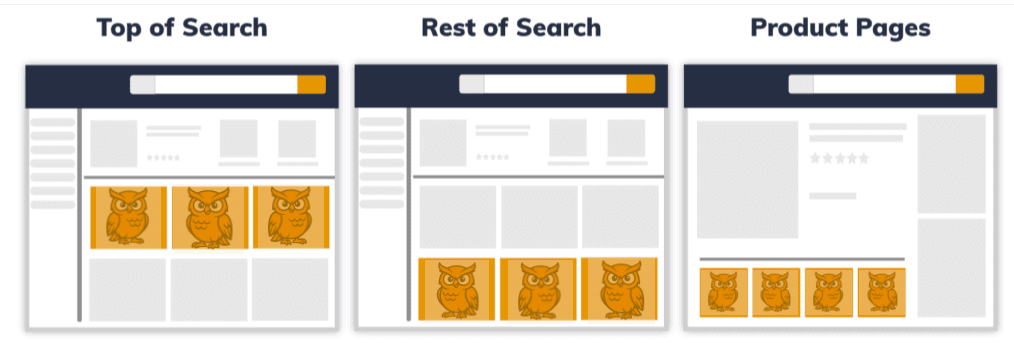
This simple check is the first step in our generative engine optimization framework. It is a repeatable task that measures your catalog’s live indexability. Granted this isn’t the most sophisticated way to measure your share-of-voice, but it is a solid introduction to the concept of probing the model.
A backlist with healthy share-of-voice creates a flywheel effect for your author brand, as each book can drive traffic to the others. Readers who discover one of your older titles may explore your entire catalog, increasing lifetime value and word-of-mouth referrals.
You are likely leaving revenue on the table if you rely only on organic tactics like newsletters or social media.
There is an age-old adage that is popular in eCommerce, that “your time is not free”. The fact that you found this article at all, shows that you are incurring such a cost right now. Don’t worry, you’ve made the right choice.
If you are here to learn how to launch a book using Sponsored Ads, then the challenge you are taking on is understanding how to index your catalog. A strong backlist is essential for advertising your books because it provides a foundation of proven, evergreen titles that continue to generate sales and visibility long after their initial release. Unlike frontlist books, which require heavy promotional spend to gain traction, backlist titles have already established their market fit, reader trust, and organic discoverability.
This allows you to leverage them as low-cost, high-return assets in your marketing—cross-promoting new releases with existing works, bundling titles for promotions, or using them as lead magnets to grow your audience. A robust backlist also signals credibility to retailers, reviewers, and advertising platforms, making it easier to secure better placement, partnerships, and algorithmic favor.
 Tucker B. Robinson
Advertising platforms also reward authors with multiple titles by surfacing more of your work in recommendations, while paid ads can retarget fans of your backlist to boost new releases.
Over time, this turns your backlist into a self-sustaining ecosystem for growth, reducing reliance on costly launch campaigns.
Thank you!
 Tucker B. Robinson
 Tucker B. Robinson